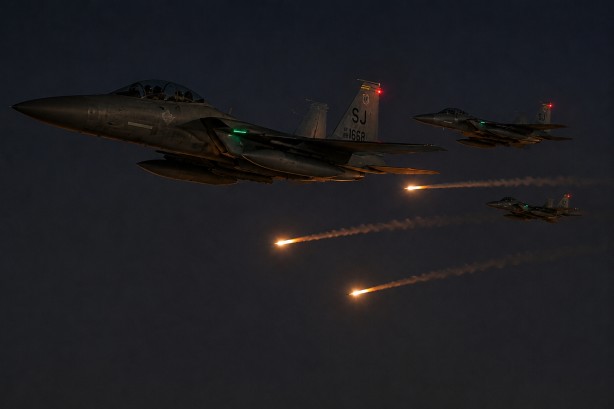
Amid rising tensions in the Middle East, the United States and Saudi Arabia conducted joint military strikes targeting Iran-backed militia positions in Iraq. This military response comes after a series of regional attacks exacerbated the already volatile situation. The U.S. military reported that Iranian ballistic missiles aimed at American forces were intercepted successfully, averting any damage to a U.S. military installation in Jordan. In response, Washington has issued a stern warning that any further aggression against U.S. personnel or Saudi energy facilities would prompt additional military actions.
The coordinated strikes were directed at sites associated with Iraq’s Popular Mobilisation Forces (PMF) and resulted in the death of at least 20 militia members, with numerous others injured, according to officials. These developments occur amid heightened security risks across the Gulf region, drawing attention to the fragile stability and the potential for further escalation.
Adding to the regional unrest, Iran’s Revolutionary Guards announced the interception of three oil tankers in the strategic Strait of Hormuz, accusing them of breaching Iranian maritime regulations. This incident has fueled concerns over the security of global energy supplies, contributing to an increase in Brent crude oil prices as markets react to the uncertainty.
Following a brief respite in hostilities, the renewed confrontations have sparked significant apprehension regarding regional stability. The Iraqi government has initiated an investigation into recent drone assaults, though Iranian-backed armed factions have denied any involvement in these incidents. These latest developments highlight the ongoing security challenges affecting the Gulf region and critical international shipping lanes.