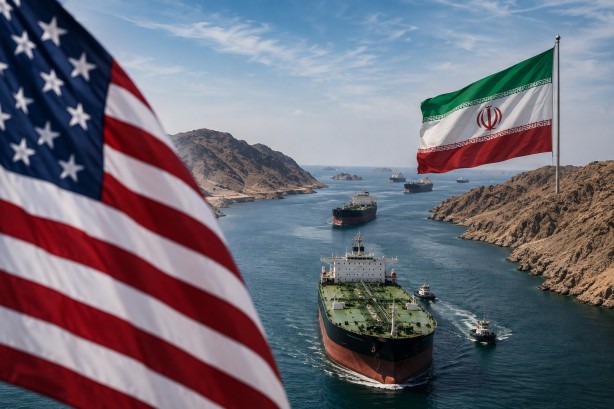
The United States has reported progress in its negotiations with Iran regarding the reopening of the Strait of Hormuz, a critical channel for global oil and energy transport. An agreement could be finalized in the next day or two, according to US Treasury Secretary Scott Bessent, who expressed optimism about reaching a breakthrough. The potential deal would allow commercial vessels to navigate the vital waterway without incurring tolls, thereby ensuring freedom of navigation.
Qatar, playing a key role as a mediator in the discussions, has confirmed that a de-escalation framework is being shared among the involved parties as diplomatic efforts continue. The talks come amid heightened tensions in the region that have severely disrupted traffic through the strait. The prospect of an agreement has already led to a decrease in oil prices, with analysts predicting further declines should shipping return to normal.
President Donald Trump recently announced a postponement of planned military action against Iran, stating that he wanted to give negotiations a chance to succeed. He emphasized that any forthcoming agreement should not only reopen the Strait of Hormuz but also address concerns related to Iran’s nuclear program. This move reflects a strategic shift towards diplomacy in handling the situation.
Previously, a US-Iran arrangement to reopen the strait fell through due to disagreements over shipping routes, which reignited tensions. Current negotiations aim to establish a new accord that would restore maritime traffic and contribute to regional stability. Diplomatic channels remain active as both sides work toward a resolution that could ease the geopolitical strain in the area.