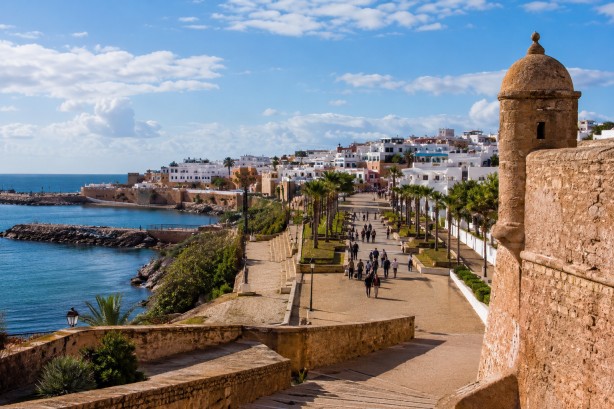
Rabat, Morocco’s capital, has been designated as UNESCO’s World Book Capital for 2026, positioning itself as a destination of global literary significance. However, Rabat’s allure extends well beyond its literary achievements. The city is steeped in history and culture, offering a serene escape from Morocco’s more bustling tourist hubs. Visitors to Rabat can explore its dual identity, where modernity meets tradition. The city boasts contemporary neighborhoods with wide boulevards and modern architecture, while its ancient medina invites tourists to wander through its narrow lanes brimming with local markets and artisanal crafts.
Art lovers visiting Rabat should not miss the Mohammed VI Museum of Modern and Contemporary Art, which showcases an impressive array of Moroccan contemporary art. The museum’s collection, featuring paintings, photography, and installations, captures the evolution of Moroccan artistry. Another must-see is the Kasbah of the Oudayas, a historic fortress offering stunning views of the Atlantic Ocean. This area enchants visitors with its white-and-blue houses and quiet alleys, while the nearby Andalusian Gardens provide a tranquil setting filled with vibrant flowers and orange trees.
Rabat’s coastline is equally captivating, drawing families, football enthusiasts, and surfers to its lively yet peaceful beach, particularly at sunset when the views over the Atlantic are breathtaking. The city’s culinary scene is another highlight, with traditional Moroccan dishes like lamb tagine and couscous with seasonal vegetables taking center stage. Visitors can enjoy freshly baked khobz bread and refreshing mint tea at various cafés with views of the Bou Regreg River, enhancing the city’s rich culinary experience.
For history aficionados, the Chellah archaeological site is a fascinating destination, combining ancient Roman ruins with a medieval Islamic necropolis. The site’s serene gardens, historic walls, and sweeping viewpoints make it a standout landmark in Rabat. Exploring the city is made easy with electric tuk-tuks, offering a convenient mode of transportation between the capital’s iconic sites. In the evenings, waterfront restaurants along the river provide scenic spots to savor local cuisine and drinks.
Rabat’s growing literary culture is reflected in its independent bookstores, where visitors can browse shelves stocked with both new and second-hand books. Yet, even beyond its recognition as a literary hub, Rabat is a city that seamlessly blends culture, history, and natural beauty. Whether one is intrigued by its architecture, history, local food, museums, or simply the authentic charm of Moroccan streets, Rabat promises a journey rich with memorable experiences.