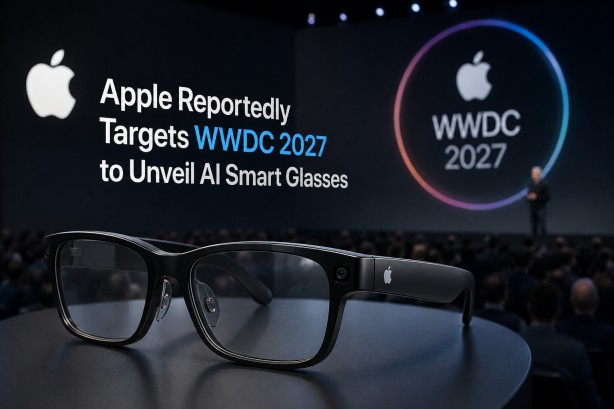
Apple is gearing up to introduce its inaugural AI-powered smart glasses during the Worldwide Developers Conference (WWDC) in 2027, with consumer availability anticipated by the end of that year. This unveiling is set to provide developers an early look at the device, allowing them to create applications well in advance of its public release. The decision to delay the launch was reportedly influenced by Apple’s commitment to enhancing privacy measures rather than due to any technical obstacles.
The tech giant is placing a significant emphasis on user privacy, which is seen as crucial for earning consumer trust, especially for smart glasses equipped with cameras. Apple plans for its AI glasses to use on-device artificial intelligence extensively, minimizing the necessity of transferring user data to cloud servers. This approach is in line with the company’s effort to differentiate its product from competitors and address privacy concerns associated with wearable technology.
Moreover, Apple’s upcoming smart glasses are expected to avoid integrating controversial features like facial recognition and continuous environmental scanning. This strategic decision underscores Apple’s cautious approach to privacy, aiming to set its product apart by focusing on user security. The company is also reportedly testing new hardware and software solutions to bolster privacy further, ensuring that customer recordings are not utilized for training AI models.
By emphasizing both AI capabilities and privacy, Apple aims to carve a unique niche in the smart glasses market. This balance between innovation and user protection could potentially make Apple’s offering more appealing to consumers wary of privacy implications in wearable technology. As the company continues to refine its product, it remains to be seen how these privacy-centric features will impact the broader adoption of AI-powered smart glasses.