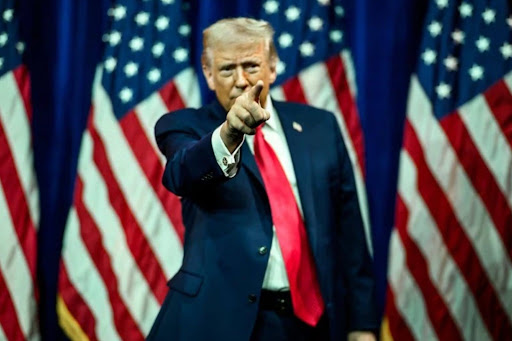
President Donald Trump delivered a ceasefire warning to Iran on Thursday that felt to many observers like a turning point — a moment that history would record as the juncture at which Washington’s patience definitively ran out and the diplomatic landscape of the conflict fundamentally changed. His Truth Social post accused Iranian negotiators of privately begging for a deal while the government publicly maintained a very different narrative, and Trump warned in unmistakable terms that the turning point had arrived and that what came next would be irreversible. The historical gravity of the moment was unusual even for a conflict already defined by dramatic moments.
The US ceasefire plan encompasses 15 specific provisions and offers Iran a way to step back from this turning point through genuine engagement, including sanctions relief, a nuclear rollback, missile restrictions, and the restoration of the Strait of Hormuz to normal international use. The Strait of Hormuz handles roughly one-fifth of world oil and is of enormous global strategic importance. Iran’s rejection of the comprehensive offer has been the primary barrier to a negotiated resolution.
Tehran has publicly articulated its own competing conditions through state television, demanding protection from targeted strikes on its officials, formal peace guarantees, reparations for wartime damage, and internationally recognized sovereignty over the Strait of Hormuz. These conditions differ fundamentally from Washington’s offer and reveal a government with very different expectations for what peace should include. Bridging the gap requires extraordinary political will and diplomatic creativity.
The conflict has taken a terrible and ongoing toll in human lives. Over 1,500 Iranians and nearly 1,100 Lebanese have been killed, with further casualties in Israel and the broader region. Thirteen US troops have also died, and millions of civilians in Iran and Lebanon remain displaced.
Trump’s turning point warning on Thursday will be remembered as a moment of genuine historical consequence. Military operations continue even as diplomatic channels remain open, and the turning point that Trump described is real and immediate. Iran must choose which side of history it wants to be on — the side that seized this moment for peace, or the side that allowed it to slip away.