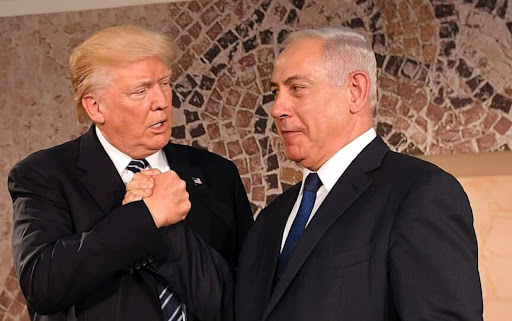
Every major alliance has structural tensions — differences in security interests, strategic culture, domestic politics, and ultimate objectives that coordination and goodwill can manage but not eliminate. The Trump-Netanyahu alliance against Iran has several such structural tensions that the South Pars episode has brought closer to the surface. Understanding them helps explain not just the current episode but the ongoing pattern of coordination and friction that characterizes the relationship.
The first structural tension is between Israeli existential security concerns and American strategic interests. Israel’s security situation is genuinely different from America’s — it faces potential existential threats from regional actors in ways that the United States does not. This difference in threat exposure produces different risk tolerance, different willingness to escalate, and different definitions of acceptable costs. Netanyahu will absorb higher costs for more aggressive action because the stakes are literally existential for Israeli decision-makers in ways they are not for Trump or his political constituents.
The second structural tension is between Netanyahu’s domestic political mandates and Trump’s political constraints. Netanyahu’s political base demands comprehensive action against Iran; Trump’s political environment demands bounded commitment and manageable economic consequences. These different domestic political landscapes produce different strategic postures that no amount of personal chemistry between the two leaders can fully reconcile.
The third structural tension is between coordination and sovereignty. Both countries are deeply committed to their respective decision-making authorities. Trump expects significant influence over operations he supports. Netanyahu fiercely guards Israel’s sovereign right to make its own security decisions. These commitments are both legitimate and in structural tension — as South Pars demonstrated operationally.
Director of National Intelligence Gabbard’s confirmation of different objectives is partly a reflection of these deeper structural tensions between Trump and Netanyahu. The objective divergence is a symptom; the structural tensions are the underlying condition. Managing the alliance effectively requires acknowledging these tensions honestly rather than pretending coordination has eliminated them.