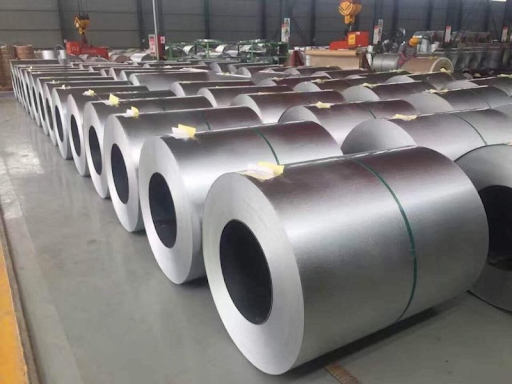
A decision is expected in December or January from the US Commerce Department on whether to apply new “steel derivative” tariffs to approximately 700 product lines. The decision follows a 60-day review period after an October 21 deadline for submissions from US companies.
The requests for these new tariffs have come from a wide range of American firms. They include bicycle makers, cookware manufacturers, and producers of industrial machines, all of whom claim they are being harmed by “unfair” foreign competition, often pointing to China.
This is the second such consultation in three months. The first, in August, resulted in 407 products being added to the list, which included everything from Ikea tables to combine harvesters. The near-100% success rate of that round has fueled expectations that this new, larger list will also be approved.
This prospect has European industry leaders on edge. They fear a “rolling and growing” list of tariffs that bypasses their existing trade agreements. These new levies would be in addition to the 10% (UK) and 25% (EU) baseline tariffs, a move they say “makes a mockery” of the pacts.
Experts at advisory firms like Flint Global have described the US policy as “expansionist,” noting that the “liberal” approval process is creating deep uncertainty in the transatlantic trade relationship.
79