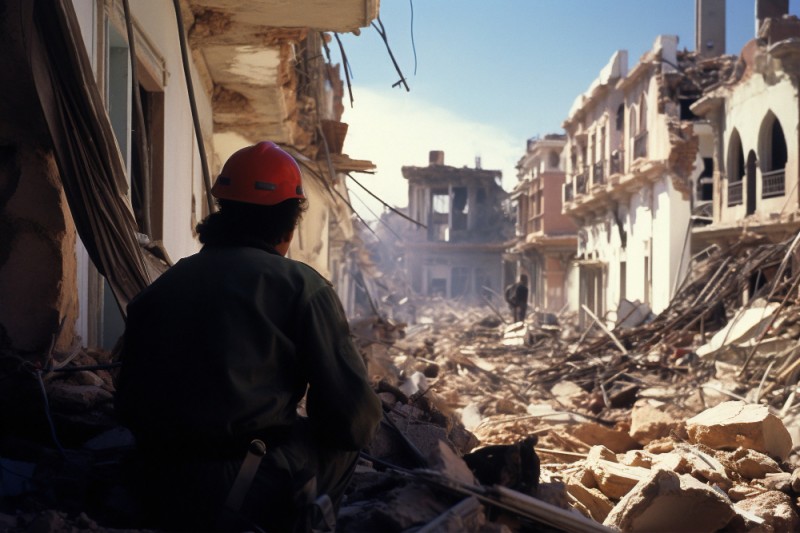
Venezuela is grappling with the aftermath of two devastating earthquakes that struck on June 24, claiming over 160 lives, injuring hundreds, and causing extensive damage to buildings in Caracas and other northern regions. In response to the catastrophe, a wide array of countries, such as the United States, Iran, Cuba, China, and several Latin American and European nations, have stepped forward to offer assistance. Rescue teams are urgently working to search through the debris of collapsed structures, striving to locate survivors and provide critical emergency support.
The earthquakes have exacerbated Venezuela’s existing humanitarian challenges, which include economic difficulties, shortages in healthcare, and infrastructure deficiencies. Aid organizations had already been warning about the severe strain on the country’s emergency response capabilities even before this natural disaster occurred. The United States has announced a significant aid effort, while Cuba has dispatched medical personnel to assist affected communities. Other nearby nations like Mexico, Brazil, Ecuador, and the Dominican Republic have also extended offers of help.
In addition to regional support, several European countries, including Spain, France, Germany, the Netherlands, and Switzerland, have pledged to send rescue teams, equipment, and logistical aid. Iran and China have similarly expressed their readiness to provide emergency assistance, underscoring the global response to the crisis.
International organizations are coordinating the deployment of specialist rescue teams to bolster efforts in locating survivors and aiding recovery operations. Officials have emphasized that sustained global assistance will be crucial as Venezuela navigates the recovery process. The earthquakes have struck at a time when millions of Venezuelans are already reliant on humanitarian aid, heightening fears that the crisis could worsen without substantial international support.