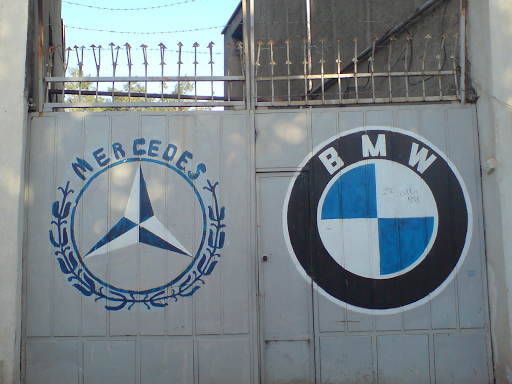
A far-reaching change is coming to how disabled drivers access transportation through the Motability program. The scheme will remove high-end German car brands from its available options while setting a target to purchase 50% of its vehicles from British factories by 2035. This strategic shift emphasizes both cost-effectiveness and support for domestic manufacturing.
Government officials have highlighted the employment benefits expected from increased demand for British-produced vehicles. Motability has provided vital assistance for years to disabled drivers facing extra expenses related to mobility challenges. The program operates by purchasing vehicles directly from manufacturers and leasing them to qualifying individuals, with many undergoing adaptations for wheelchair accessibility and other requirements.
Though luxury brands represented only about 5% of the 800,000-vehicle fleet, their removal has attracted attention. These premium vehicles, numbering around 40,000, were funded through supplemental payments from participants rather than taxpayer resources. Meanwhile, disability advocates have raised concerns about potential removal of tax benefits that currently make the scheme more affordable.
Leadership at Motability Operations has described the change as allowing better focus on vehicles that genuinely meet disabled people’s needs while demonstrating fiscal responsibility. The organization views this as creating pathways for increased manufacturing investment within Britain. The commitment carries substantial commercial implications given the program’s size and annual vehicle requirements.
Currently leasing approximately 300,000 vehicles yearly, achieving the 50% domestic target would mean obtaining about 150,000 British-built vehicles annually by 2035. This compares to just 22,000 last year, representing massive growth potential. For a British automotive industry facing declining production—potentially below 700,000 cars this year—this represents significant support. Manufacturers with British operations stand to gain substantially, with Nissan already confirming it will double its Motability-related production. Japanese manufacturers Nissan and Toyota, along with BMW-owned Mini, could see major production increases at their British facilities, providing stability for thousands of workers.
28