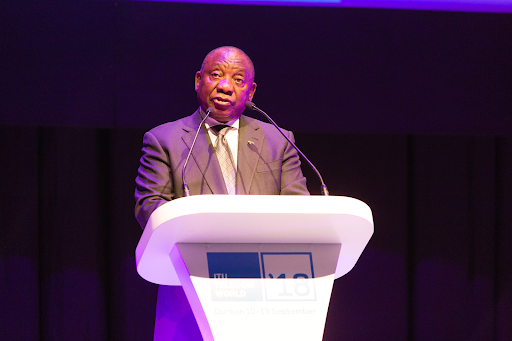
The planned US boycott of the G20 summit in Johannesburg is nearing an end, with South Africa’s President Cyril Ramaphosa confirming the US is in last-minute talks to reconsider its decision. This potential reversal comes after days of global scrutiny over Washington’s decision to abstain. Ramaphosa, however, reserved confirmation on whether President Donald Trump will attend the meeting.
The controversy was ignited by President Trump’s claims alleging that South Africa was conducting a racially discriminatory policy, citing violence and land seizures targeting white Afrikaner farmers. The South African government strongly denied these allegations, asserting they were unfounded and politically calculated attempts to interfere with the summit’s success.
Speaking with European counterparts, Ramaphosa welcomed the US re-engagement as a “positive sign” that diplomatic channels were re-opening. He reiterated his core belief that boycotts are generally unproductive and emphasized the essential nature of inclusive global cooperation for effective problem-solving. South Africa’s G20 agenda is designed to highlight the pressing economic needs of the developing world.
The diplomatic confrontation escalated over a US note warning that the G20 would be unable to produce a unified final statement without American attendance. South Africa condemned this tactic as outright coercion, asserting that it undermined the principles of multilateral consensus. Officials were resolute that an absent member could not be permitted to hold the summit’s final output hostage.
Ramaphosa concluded by reaffirming South Africa’s dedication to consensus-building among the G20 members. While acknowledging the future US G20 presidency, he maintained that the forum’s legitimacy relies on its commitment to inclusivity and mutual agreement, not on yielding to external unilateral pressure.
28