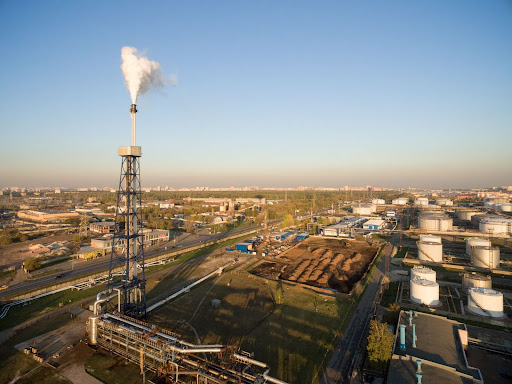
President Trump’s description of oil being “taken by storage ships, and brought directly to unloading docks in the United States” outlines logistics for Venezuela supplying oil to the US indefinitely. The use of storage vessels indicates plans to gradually move stockpiled crude rather than immediate sales, establishing infrastructure for long-term operations.
Floating storage provides flexibility for timing market entries when prices optimize, avoiding flooding oversupplied markets with 50 million barrels simultaneously. The strategic release approach could minimize price disruption while maximizing revenues from the blockaded crude stockpiles supporting Venezuela supplying oil to the US indefinitely.
Storage ship deployment requires significant logistical coordination including vessel contracts, insurance arrangements, and port facility preparations. The operational complexity suggests planning began before public announcements, indicating administration confidence in securing Venezuelan cooperation for Venezuela supplying oil to the US indefinitely.
Moving oil to American docking facilities establishes physical possession reinforcing legal claims to the petroleum. Once crude reaches US soil, practical realities of possession strengthen American control regardless of competing sovereignty claims or international law disputes concerning Venezuela supplying oil to the US indefinitely.
The storage ship approach also provides security benefits compared to leaving oil in potentially contested international waters or Venezuelan facilities. Physical control on American territory eliminates risks of third parties seizing assets or Venezuelan authorities reneging on arrangements for Venezuela supplying oil to the US indefinitely.
11